Badain Jaran: China's Desert of 144 Lakes (Inner Mongolia Guide)
- Share
- publisher
- Sam
- Issue Time
- Sep 25,2026
Summary
China's only desert-type UNESCO natural site: the world's tallest fixed dune, singing sands, 144 lakes and a 1755 temple - and how to visit it without a coach tour.
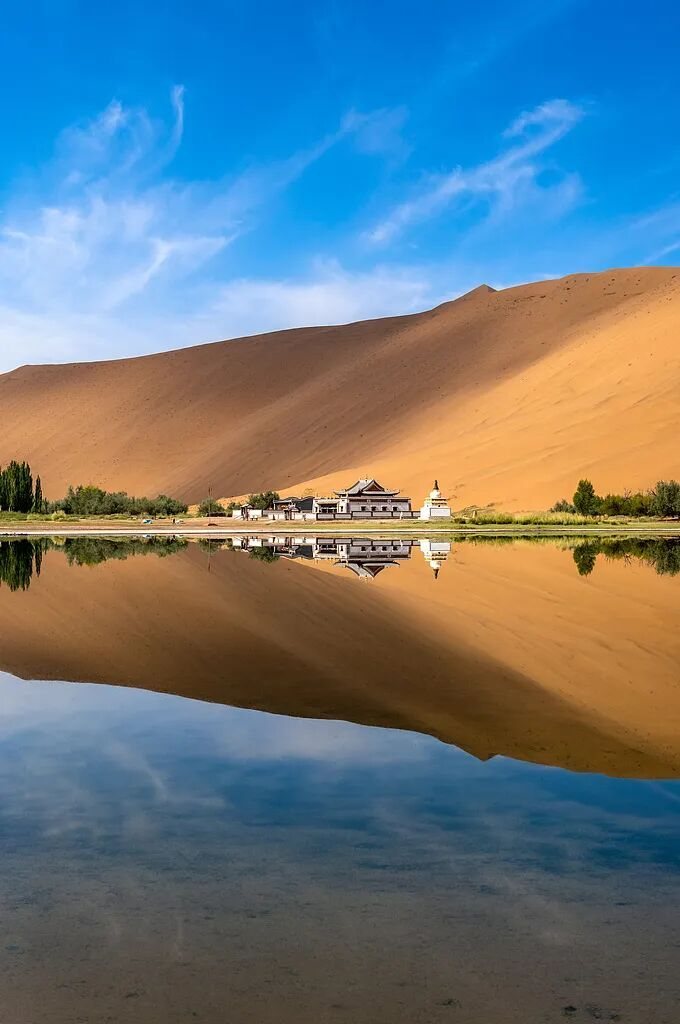
A Desert With 144 Lakes: Badain Jaran, China's Newest Natural World Heritage Site
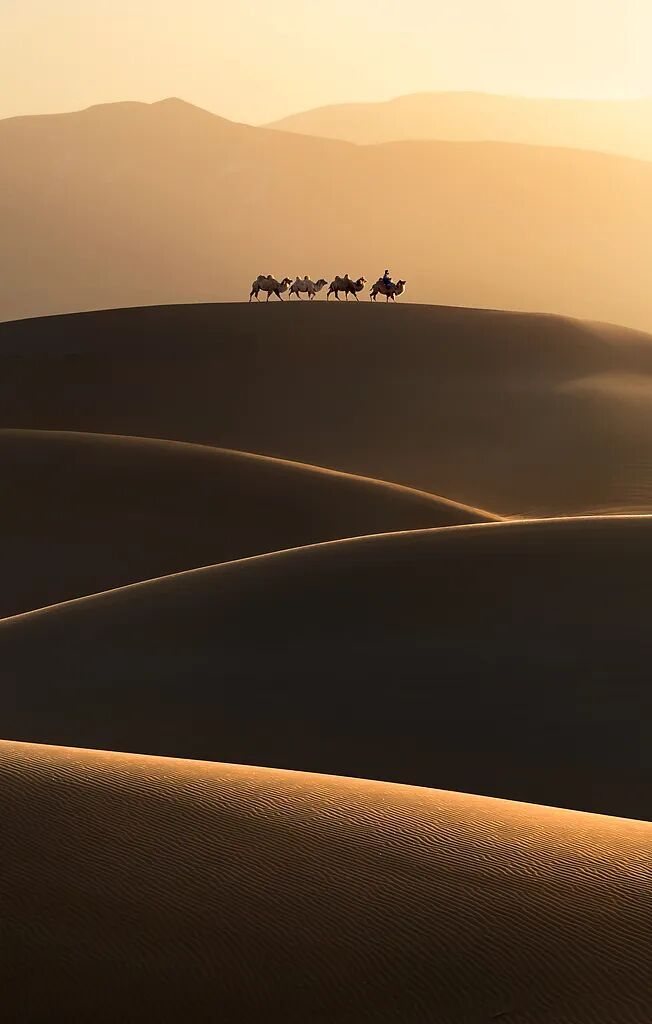
Most people picture a Chinese desert as sand and nothing else. Badain Jaran breaks that picture in the first hour: towering dunes, and between them lakes in blue, pink and red. In July 2024 the area was inscribed on the UNESCO World Heritage list as the Badain Jaran Desert - Towers of Sand and Lakes, China's only desert-type natural World Heritage site.
Where It Is
Badain Jaran lies in Alxa Right Banner, in the far west of Inner Mongolia - a plateau desert of roughly 49,200 square kilometres, the third largest desert in China and the second largest mobile one. It is genuinely remote: the nearest cities are hours away, and inside the desert there are no roads in the ordinary sense, only tracks.
What Makes It Different
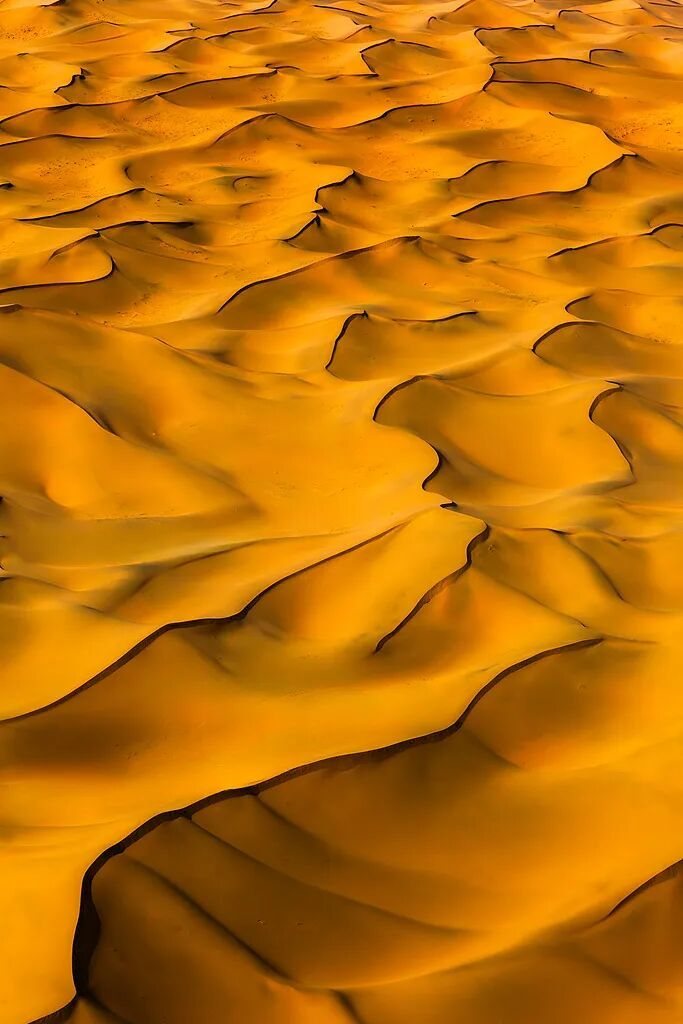
The dunes are the tallest of their kind. Bilutu Peak is the world's highest fixed dune, standing about 1,611 metres above sea level with a relative height near 460 metres - high enough that it is nicknamed the desert Everest.
It has the world's largest singing-dune area. At Baori Tolegai, sand sliding from more than 200 metres up roars like a departing aircraft, audible for kilometres. The sound is a low-frequency hum that comes from the grain structure of the sand itself.
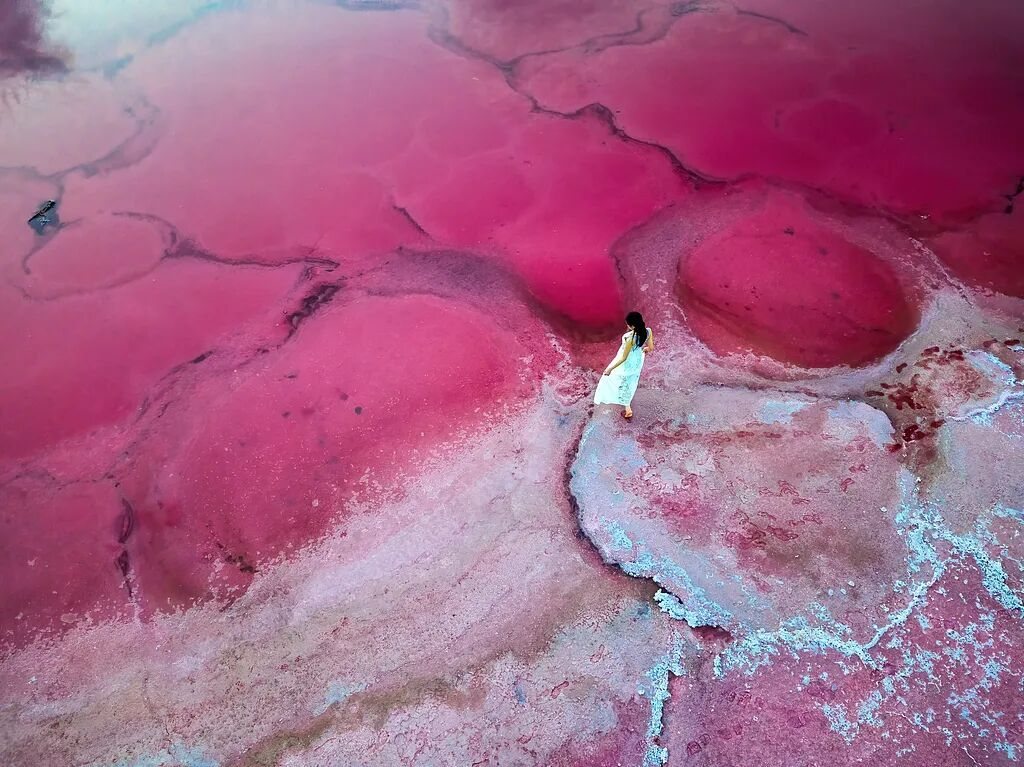
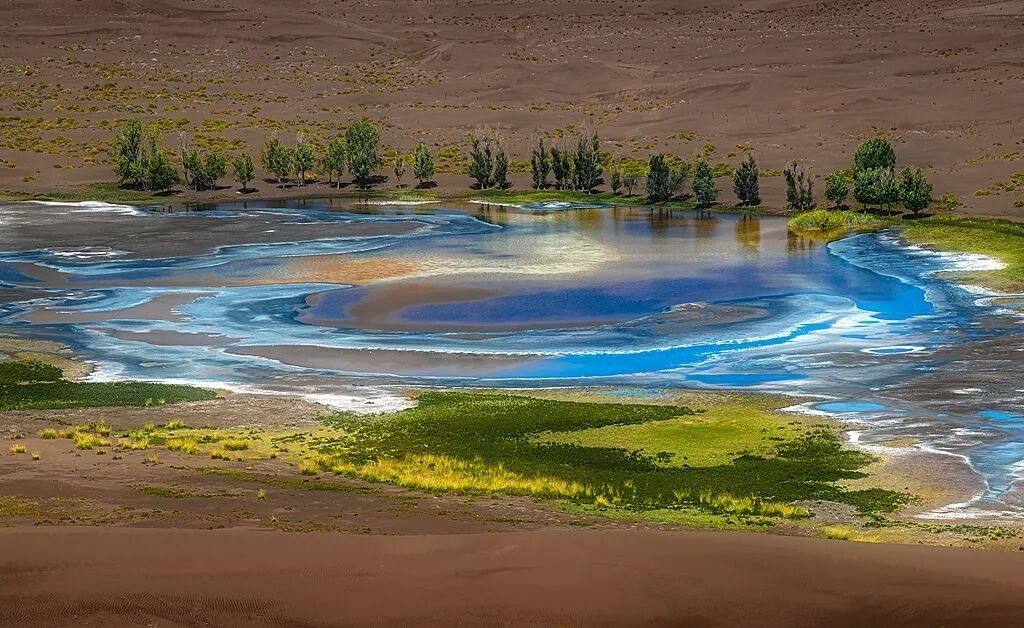
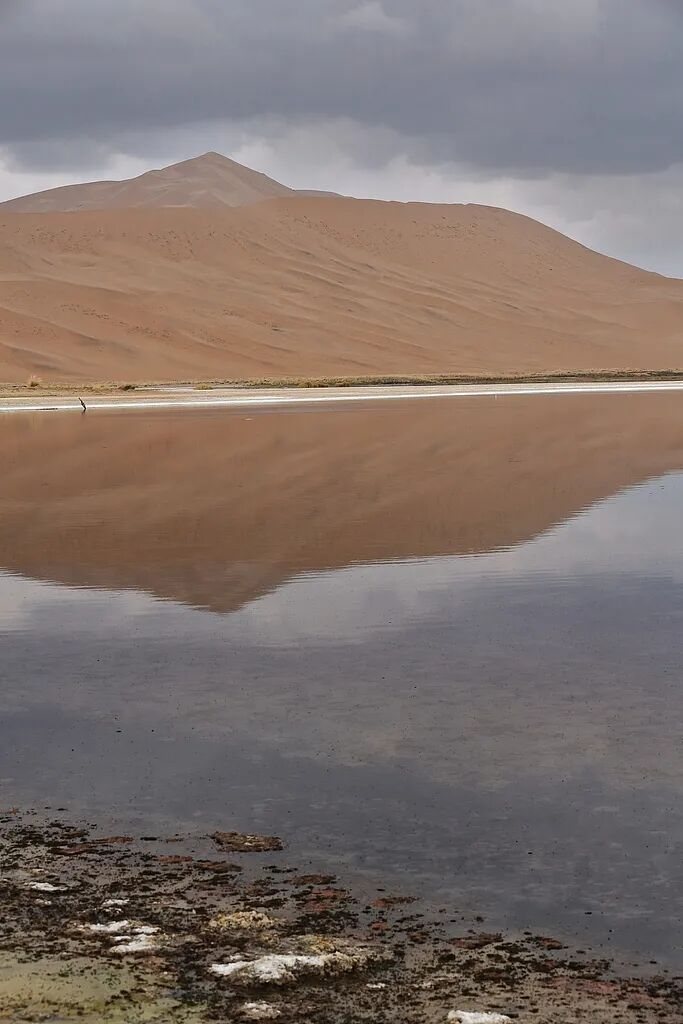
There are 144 lakes between the dunes. Most are clear and blue; others are pink, red or purple as minerals concentrate during evaporation. It is one of the densest concentrations of inter-dune lakes on earth.
Water arrives from far away. Rainfall seeps into the dunes and is stored as groundwater; part of the supply is understood to travel from the Tibetan Plateau, and part comes from the Heihe River through the Hexi Corridor. That is why lakes exist at all in a place with almost no rain.
One lake hides 108 springs. Yinderitu is a salt lake, but on its island more than a hundred freshwater springs rise continuously - sweet water in the middle of salt.
There is a temple in the middle of it. Built in 1755 on the shore of Sumin Jilin lake, Badain Jaran Temple is known as the desert Forbidden City. Its bricks, tiles and timber were reportedly carried in by camel from hundreds of kilometres away.
Life in a Desert That Is Still Forming
Badain Jaran is not sterile. Cistanche, saxaul and other desert plants hold the dune edges; Bactrian camels, water birds and small mammals live around the lakes; reeds, sand willow and sea buckthorn grow on the wetter margins. Geologically, the desert is still evolving under the influence of climate change and the continued uplift of the Tibetan Plateau, which is why researchers treat it as a reference site for desert formation and long-term climate history.
Practical Notes
Best seasons. Spring (April-May) and autumn (September-October) give the most comfortable temperatures and the clearest light. Summer days are punishing and winter is genuinely cold; both are still possible with the right planning, but they are not the easy months.
Getting there. Access is through Alxa Right Banner, usually reached from Yinchuan in Ningxia or from Zhangye and Jiuqian in Gansu. Inside the desert you travel by 4WD with a local driver-guide - this is not a place to self-drive, and some zones have their own access rules that need to be confirmed before you go.
What to pack. Sun protection, a scarf or buff for windblown sand, layers for cold nights, and a power bank: charging opportunities are limited. Cash is rarely needed, but a small reserve helps at the few homestays and lake camps.
How it fits a China trip. Badain Jaran works as a two-to-three-day addition to a wider Inner Mongolia route, or as a western extension to a Gansu itinerary - and it is the kind of place where having someone local handle transport, permits and timing quietly removes all the friction.
Doing It Without a Coach Tour
Badain Jaran rewards independent travellers: you want time on a dune at sunrise, and a lake to yourself in the afternoon, which is exactly what a fixed group departure does not give you. What it does need is a local network: vehicles, a driver who knows the tracks, the current access rules, and someone reachable when the plan changes. That is the model we work on - we design the route and book the transport and stays, you keep the freedom of the desert. See how the semi-self-guided planning works, and read our wider Inner Mongolia guide if you are building a longer loop.
Frequently Asked Questions
Is Badain Jaran worth the journey?
If you want a landscape you have not seen before - high dunes with coloured lakes between them - yes. It is remote, which is precisely why it still feels undiscovered.
Can I visit independently?
You can travel to Alxa Right Banner on your own, but inside the desert you need a 4WD and a local driver-guide, and some areas have access rules. We arrange both as part of a plan.
When should I go?
April to May and September to October are the most comfortable and the best for photography. Summer heat and winter cold are manageable but demand more planning.
About the Author — Sam · Custom Travel Planner
Sam builds private and semi-self-guided itineraries across China, including remote desert and plateau routes that need local transport and timing.
Pair the Desert With
Two ways to build a wider route around a Badain Jaran add-on:
- Panda Trail: Themed Tourist Trains in Xinjiang and Southwest China (2027) — a themed rail journey through the northwest, the natural partner to a desert leg.
- Yunnan Plateau Escape: Dali, Lijiang & Shangri-La — 8-Day Tour — a complete contrast: plateau, old towns and highland scenery instead of sand.
Planning a Desert Trip in China?
Tell us your dates and what you want to see - we design the route, arrange the 4WD, driver-guide and stays, and stay reachable while you travel. See how semi-self-guided planning works →
Email Sam for private itineraries or Luppy for groups of ten and above.
More Than Travel. It's the Plus That Matters.